
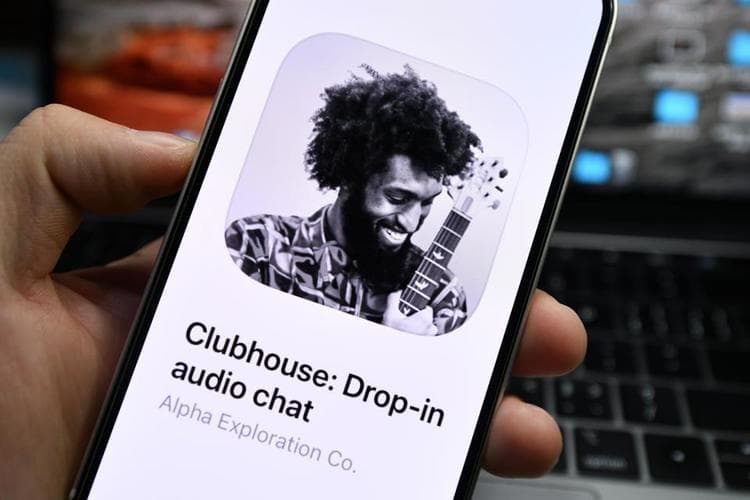
Let’s be honest, two months ago most of us had never heard of Clubhouse. But it seems now that wherever you turn the Silicon Valley based app is making waves. With high profile users from Elon Musk to Oprah Winfrey, it’s the cool new kid on the social media block, and with a soaring stock market value it looks set to stay. But what is the substance behind the hype, and more to the point, should PR professionals be jumping on the bandwagon?
What is Clubhouse?
Launched in April 2020, Clubhouse markets itself as an audio-based social networking channel. Think a cross between a Zoom call, a conference, and a podcast, where users can join conversation rooms, and listen in on discussions and interviews between (often high profile) individuals. The rules and topics of each room vary, with some inviting user participation, and others simply a place to listen in.
For now, Clubhouse is invitation-only, giving the app an irresistible layer of intrigue and exclusivity. Users are able to add two friends to the network, and the app is only available only on iPhone. But despite membership limitations, the network already has 2 million users and is valued at $1bn, and a recent blog post from the company announced plans to “open up Clubhouse to the whole world” in 2021.
However, almost since its inception, Clubhouse has been dogged by questions over user security and privacy. The app requests access to members’ address book data, and internet security researchers found that users’ activity on the app could be tracked by third parties.
Nevertheless, Clubhouse exploded into the mainstream last month when Elon Musk, founder of Tesla and SpaceX, took part in a conversation on the platform. In typically sweeping fashion, he discussed topics from Covid-19 vaccines to colonies on Mars, before entering into an impromptu interview with Robinhood founder Vlad Tenev. The room quickly blew Clubhouse’s limit of 5000 participants, with journalists flooding in and the conversation livestreamed by unauthorised Youtubers.
It led to speculation in some circles that the event was a PR stunt orchestrated by venture capital firm Andreessen Horowitz, who are major investors in Clubhouse, Robinhood, and start ups belonging to Musk. Whether that were the case or not, the conversation was a PR triumph, with coverage spanning international media.
Its success leads to an intriguing question for the communication industry: with its capacity to create and stimulate discussion between high profile individuals, the media, and members of the public, is Clubhouse the PR tool for the digital future?
The short answer is that it’s too early to say. With membership of the app limited, even joining the network is a challenge, and ensuring the right people are listening is even harder. But as use of the app grows, and more journalists become savvy to its potential, Clubhouse will offer an exciting new medium for communication.
The PR industry should watch the growth of Clubhouse closely, and while there’s a way to go before we bid farewell to the humble press release, the app’s rapid growth offers a glimpse into a possible future for digital communication.



0 Comments